



Seasonal Curiosity: 8 Things to Notice in Your Neighborhood This Autumn
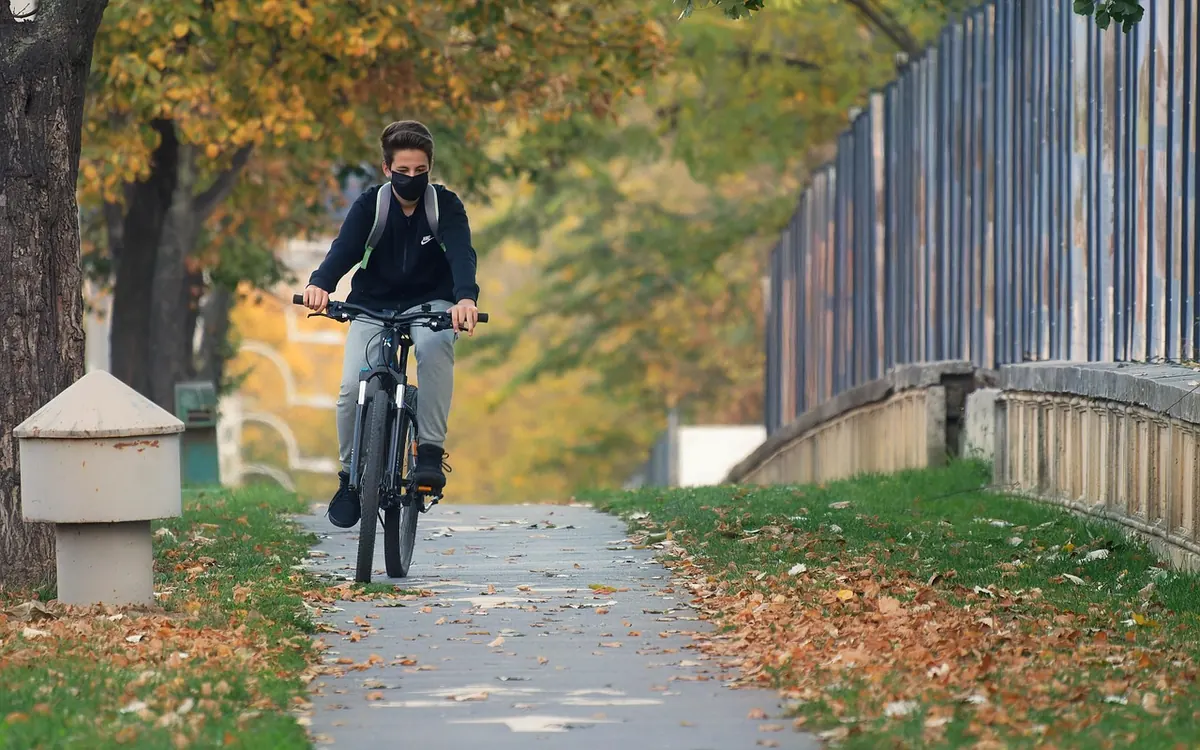
Autumn does not arrive on a date. It arrives in instalments: a chill in the shade at four in the afternoon, a scatter of plane-tree leaves in the gutter, the smell of a neighbour's heating coming on for the first time since March. Nothing dramatic. Which is exactly why most of it slips past unnoticed until the branches are bare and you wonder where October went.
You do not need a park, a forest, or a weekend away to catch it. Your own street is a perfectly good observatory, and the walk to the corner shop is long enough to see something change. Here are eight things worth watching for in the next few weeks. Most take under a minute to notice, once you know what you are looking at.
The Trees Turn in Order, Not All at Once
We talk about autumn colour as if it happens to the whole city at once. It does not. On a single street, each tree keeps its own schedule, and that schedule is roughly the same every year.
In many European streets, horse chestnuts and lindens are among the first to go, sometimes showing yellow in the crown while the oaks nearby are still solid green. Plane trees tend to go patchy — a few branches turning while the rest hold on — and oaks and beeches are usually the last to commit. Species matter, but so does circumstance: a tree growing in a cramped pavement pit, short of water, often turns early and drops sooner than a well-watered one a few doors down.
The colour itself is worth a second look. The yellows and oranges were in the leaf all along, hidden by green chlorophyll that fades as the tree withdraws it. The deep reds are different — they are made fresh in autumn, and they tend to be strongest after bright, cold, sunny days.
Try this: pick three trees on your usual route and note two dates for each — the first clearly yellow leaf, and the day the tree is half bare. Repeat next year and you will have a small, genuinely personal record of how the season runs where you live.
Look Down: the Ground Keeps the Record
Leaves do not fall evenly. They collect in gutters, pile against walls, wedge behind parked cars and gather at the base of anything that blocks the wind. After a windy night, the drifts will tell you which way it blew, and the same corners will collect the same debris all season.
Wet leaves change everything. Dry ones skitter and rasp; damp ones lie flat, darken the pavement and turn slick. After rain, notice which stretch of pavement dries last. That patch is telling you about shade, drainage and how the ground slopes, and it will be the first place to grow moss or hold a thin sheet of ice in December.
Shadows Grow Longer and Point Somewhere New
The most reliable autumn signal is free and requires no equipment: the sun's arc drops, and the shadows on your street stretch out and swing round.
Pick a fixed marker you pass daily — a chimney, a lamp post, the corner of a balcony — and watch where the sun sets behind it. The point slides along the horizon week by week, and it will keep sliding until midwinter. Midday shadows lengthen too, so the shaded side of the street widens and the sunny side becomes a contested strip where people drift without quite knowing why.
Indoors, the same shift shows up as a rectangle of light moving across a kitchen floor, or a window that suddenly catches the low sun and throws a glare into a room it never reached in summer. Note the time the streetlights come on. That number is falling fast.
Your Street Has an Autumn Soundtrack
Sound is the sense most people forget to use, and autumn rewrites it almost completely. Stand still for thirty seconds on a quiet morning and listen for the change:
- Leaves underfoot. The dry rasp of a leaf-scattered pavement is one of the season's signature noises. After rain, it disappears entirely and is replaced by a soft, dull slop.
- Birdsong thins out. The spring dawn chorus is long gone. What you hear now is mostly contact calls and flock chatter — and, if you are lucky, a robin singing again to claim a winter territory.
- Windows and shutters. Closing earlier, and closing harder. Listen for the sound of the street shutting itself up around six o'clock.
- Heating. The tick of a radiator, a boiler firing up behind a wall, the faint dry smell that comes with the first burn of the season.
- Cafés going quiet. Chairs scraped indoors instead of out, terrace umbrellas folded away, fewer voices spilling onto the pavement after dark.
Follow Your Nose Through the Season
Autumn smells in layers, and they arrive in a rough order. First comes the sweet, earthy, slightly fungal smell of leaf litter breaking down — most noticeable on damp mornings after a dry spell. Then the sharp mineral smell of the first proper rain hitting warm, dry pavement. Then woodsmoke, which drifts further than you would expect and can be traced to a single chimney two streets away.
In markets, the produce changes visibly: squash, quinces, persimmons, chestnuts, the first citrus. If you forage, be conservative — pick only what you can identify with complete certainty, and leave anything unfamiliar alone. A market stall is a better teacher than a blurry photo.
Small Creatures, Small Habits, Big Sky
Creatures change shift
Dewy mornings make spider webs suddenly visible: stretched between railings, across hedge gaps, from a wing mirror to a wall. Window lights draw moths in the evening. Flocks of starlings and sparrows get louder and more social, gathering on wires and rooftops before heading to roost. Insects slow down; a wasp on a window sill in late October is not lost, just running out of time.
People change routine
Watch the neighbourhood's small adjustments. Dogs get walked earlier, or in the dark. Laundry moves off balconies. The corner bar puts its tables away. Someone two doors down starts leaving a light on in the hallway at five. School routes get busier at particular minutes. These are the habits that make a place feel like a place, and they are easiest to read when the season forces them to shift.
Look up at dusk
The sky still holds light while the streetlights are already on, and that overlap — blue above, orange below — only happens at this time of year. Low sun, long shadows, and on some mornings a shallow fog that sits in the street and disappears by nine.
Keep a Five-Minute Autumn Log
None of this needs equipment. It needs repetition, and a note you can find again.
- Fix a route and a time. Same walk, same hour, two or three times a week. Ten minutes is plenty.
- Note three things each time. One tree, one sound, one detail of light or sky. Three lines, dated.
- Photograph one fixed spot. A tree, a corner, a view from a window — always from the same place, so the changes line up.
- Review at the end of November. You will be surprised how much of a story four weeks of three-line notes can tell.
Do this for two or three years and you will start to see patterns nobody advertises: which tree is always first, which corner always floods, which week the robin returns. That is the quiet pleasure of it. The season is already happening outside your door; the only skill involved is pausing long enough to let it register.
Photo: Surprising_Media / Pixabay